
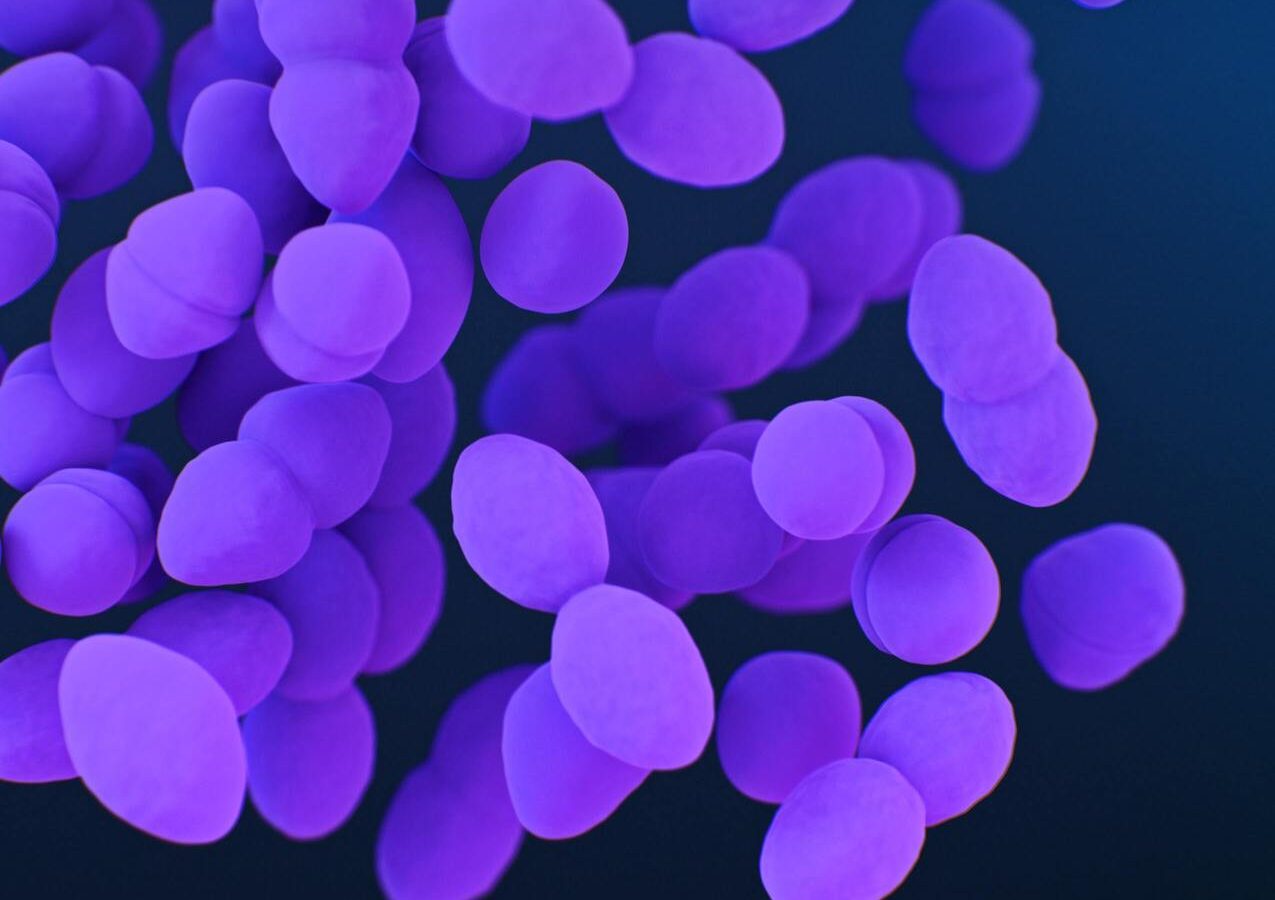
I’m often talking about the gut microbiome, both to clients and in blog posts. But it occurred to me that this amazing ecosystem within our body – often thought of as an organ in its own right – deserves a blog post all to itself. So, what is the gut microbiome?
The difference between microbiota and microbiome
You may have heard your beneficial bacteria referred to as both the gut microbiota and the gut microbiome, and wondered if they were the same thing. While the two are very similar, there is a subtle difference.
The gut microbiota refers to the trillions of bacteria and other microbes (viruses, archaea and fungi) that reside in our large intestine, or colon – the microorganisms themselves. The gut microbiome, however, refers to the microorganisms and their genes, within the gut environment. This added layer of including their genes, or genome, within the definition, allows us to understand how they contribute to human health, or otherwise.
The bacteria within the gut can be beneficial, and have positive influences on the host health, or pathogenic (disease-causing), which can cause unwanted symptoms or health problems. Keeping the two in balance is key to maintaining good health.
Incredibly, research shows that the number of genes within the total human microbiome (gut, skin, vaginal, oral etc) is several hundred times larger than that of the human body.
How is the gut microbiome formed?
Would you believe me if I say that your gut microbiome began in the womb? Yes, that’s right, before you were even born. Studies have found evidence of bacterial DNA in babies’ meconium (their first stools) as well as in amniotic fluid. It is thought that the bacteria translocate from the mother’s gut, to that of her foetus. The mother’s own gut microbiome, and diet before and during pregnancy is therefore key to this early seeding of her baby’s own microbiome.
At birth the mode of delivery – vaginal or Caesarean – can have a further effect on the babies’ microbiome. Vaginally-born babies are known to have bacteria similar to their mother’s vaginal microbiome. In contrast, C-section babies harbour bacteria normally found on the skin.
A further defining factor at this very early stage of life is whether the baby is breast or formula fed, with breast-fed babies showing higher levels of Bifidobacterium spp. This difference does tend to decline as solid foods are introduced.
What affects the gut microbiome in later life?
In later life, while the gut microbiome remains quite stable, disturbances can occur. These are mainly caused through diet, antibiotic use and lifestyle. Let’s look at these in turn.
Diet
Studies have shown differences in gut bacteria between people eating a western diet (aka SAD diet – standard American diet) and those eating a Mediterranean diet that’s rich in plant foods and fibre. I’m sure it will come as no surprise that the gut microbiomes of people consuming more fruit, vegetables and legumes showed more richness and diversity of bacteria.
Fermented foods and drinks such as kombucha, live yoghurt and sauerkraut can also affect the microbiome in a positive way; as well as prebiotics such as chicory, garlic and onions that feed the gut bacteria – read more about them here.
However some foods and drinks can have a negative effect on the gut. Excess alcohol and highly-processed, high-fat diets have all been shown to impact the gut microbiome. Over time this can lead to a loss of diversity, and overabundance of more pathogenic strains.
Antibiotic use
While antibiotics play a critical role in treating bacterial infections, sadly many of the broad spectrum antibiotics that are often prescribed also eradicate our beneficial bacteria. Many people take several courses of antibiotics over their lifetimes, which can have a long-lasting impact on their gut microbiome.
Lifestyle
Anything that places a stress on the body can alter the gut microbiome. This may be poor sleep, work-related stress, relationship issues or the use of recreational drugs. If you’re struggling with poor gut health, then addressing any stress in your life can have a positive influence on your digestion.
Studies show that a lack of exercise, or too much intense exercise, also has detrimental effects on the gut microbiome.
What does the gut microbiome do for us?
So, this is all very well, but you might be wondering why the gut microbiome is something that we need to think about.
The fact is that the gut is linked to every other part of our body. It is the gut bacteria in particular that can influence other areas of our health. There has been shown to be direct communication between our gut, and other organs. For example:
- Gut-brain axis – our gut microbiome has been shown to impact our mood, including anxiety and depression
- Gut-skin axis – many skin conditions, such as acne and rosacea, are now understood to have their roots in an imbalanced gut microbiome
- Gut-vagina-bladder axis – again, if you suffer from regular UTIs, the root cause may be dysbiosis (see below) of your gut microbiome
And there are many more – gut-kidney axis, gut-liver axis etc. It is easy to see that if our gut microbiome is out of balance and we have more pathogenic than beneficial bacteria, their effect on our overall health can lead to unwanted symptoms.
Apart from these direct paths of communication, the gut microbiome is responsible for:
- 70% of our immune system
- production of serotonin, our ‘happy’ hormone
- production of short chain fatty acids that are crucial for gut health
It really is the most incredible ‘organ’.
What happens if it is out of balance?
Known as dysbiosis, this occurs when levels of beneficial and pathogenic bacteria are out of balance. It may be that certain strains of beneficial bacteria are low, or missing entirely. Or that the overall numbers are low due to some of the diet, antibiotic use and lifestyle effects mentioned above.
When this happens, it allows room for the pathogenic bacteria to take up home. These can then cause symptoms such as bloating, flatulence, constipation and/or diarrhoea, and other symptoms linked to irritable bowel syndrome. These unfriendly gut bacteria ferment the foods we eat, especially sugars in the diet, producing gas, altering our bowel habits and causing discomfort and pain.
How can we nurture our gut microbiome?
The good news is that there is a lot that we can do to nurture our bacteria. The goal is to feed and encourage numbers of our beneficial bacteria to squeeze out the more pathogenic strains. Some ways to do this include:
- eating a variety of plant foods each day – vegetables, fruit, nuts, seeds, pulses and wholegrains
- reducing alcohol, sugar and caffeine
- minimising processed foods and takeaways
- introducing fermented foods to the diet – kombucha, kefir, sauerkraut, kimchi, live yoghurt
- supplementing with a good quality probiotic
- actively finding ways to reduce stress
- building gentle exercise into your daily routine
 How to eat well and spend less