
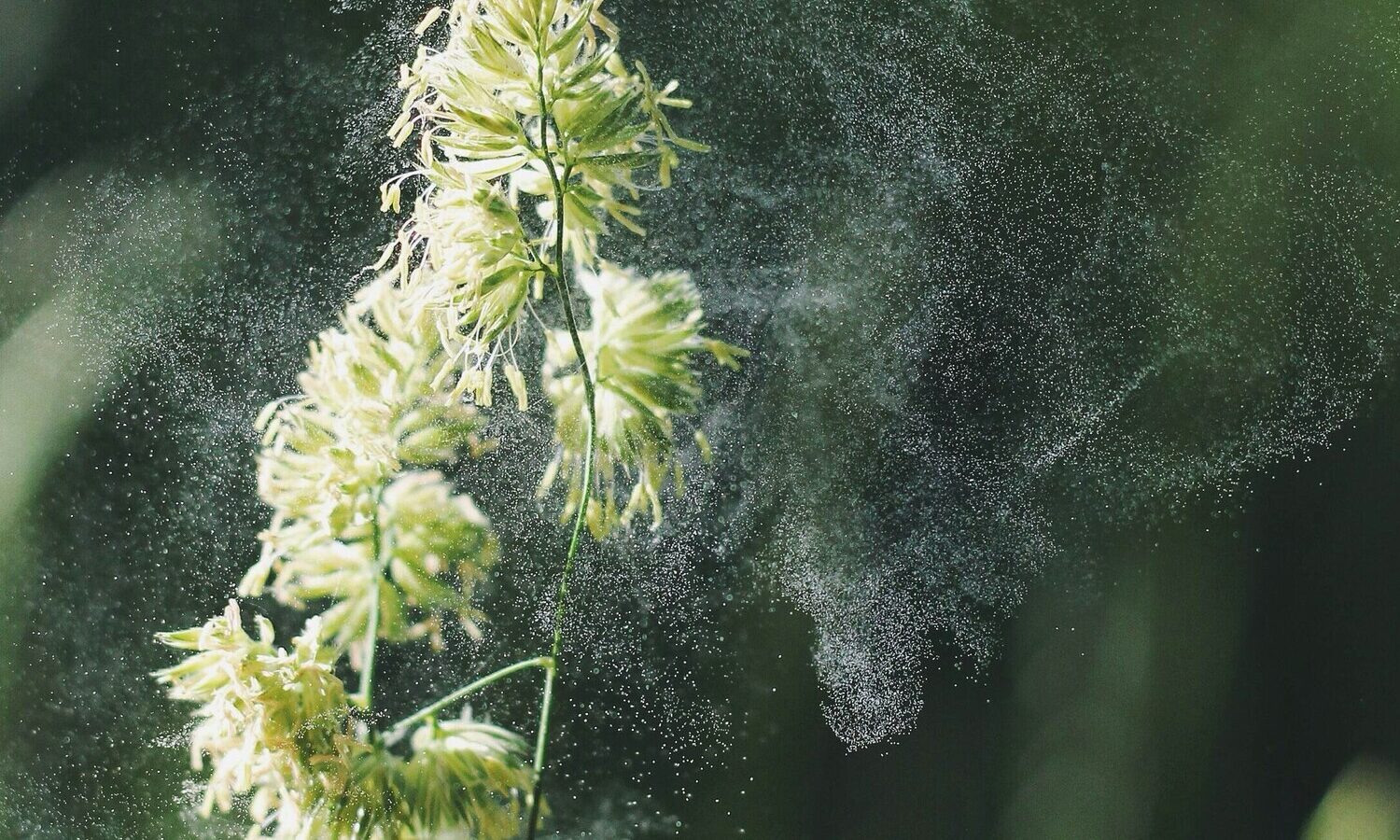
We seem to be having a particularly beautiful spring this year, with a stunning display of blossom on show and the countryside looking green and lush. Lovely for many of us, but the start of a miserable few months for anyone with hay fever.
I’m one of the lucky ones. While my parents and brother have always spent the summer with watering, itchy eyes and non-stop sneezing, I missed those genes. However I know first hand just how awful hay fever can be. So, if hay fever is something that you’ve been putting up with – or popping a daily anti-histamine for – here’s my guide on how changing what you eat can have a big impact on the severity of your symptoms. And, guess what… the health of your gut plays an important role.
According to Allergy UK, as many as 30% of adults and 40% of children suffer from allergic rhinitis (the medical term for hay fever), an allergic reaction to pollen. You might start noticing symptoms in March when the tree pollen season starts. Then there’s the grass pollen season, followed by the weed pollen season, which can go on into September.
If this is you, I sympathise. Symptoms include itchy, red or watery eyes; runny or blocked nose; sneezing and coughing; itchy throat, mouth, nose and ears; loss of smell; earache; headache; and feeling exhausted.
A dietary approach to hay fever is two-fold. Firstly, removing or restricting foods that may exacerbate symptoms, while increasing foods that will help to calm them.
Foods to restrict or remove if you have hay fever
Hay fever is a problem of histamine, a chemical released by mast cells when the body identifies an allergen, in this case pollen. Histamine then sets off a cascade of responses, including all the symptoms above. However, histamine can also be found in foods. If we consider that we have a threshold for histamine – a histamine ‘bucket’ let’s say – then we need to make sure that overall levels stay within the bucket, to ensure that it doesn’t overflow and wreak havoc. By reducing histamine-containing foods, we can lower the total amount of histamine in the body.
These include:
- coffee
- alcohol, but particularly red wine
- avocado
- all leftovers
- fermented foods
- aged cheeses
Histamine builds in food the longer it is left to cook or ferment, this is why red wine, fermented foods, aged cheeses and leftovers are all high in histamine. When cooking, aim for short cooking methods such as sautéing or stir frying, rather than stews and slow-cooked meals.
There are also foods that, while they are not high in histamine themselves, are ‘histamine liberators’. These can trigger your cells to release histamine. These include strawberries, pineapple, bananas, citrus fruits and egg whites.
Foods containing wheat – like bread and pasta, cakes and pastries – can also be problematic for people with grass pollen allergies. Meanwhile, dairy products like milk and cheese stimulate the body to produce more mucus, making blocked noses or ears much worse. And sugar, which causes your body to produce more histamine, can further exacerbate your symptoms.
Foods to add in or increase when you have hay fever
Some foods are anti-histamine foods and disrupt or block histamine receptors, helping to reduce allergy symptoms. These include foods that contain the plant chemicals quercetin and beta carotene, and those high in vitamin C (see below).
Local honey also may be helpful because, although it contains trace elements of pollen, over time it may help your body become more familiar with the pollen entering your system. In turn this may reduce the inflammatory response it launches.
Quercetin containing foods
Onions, garlic, goji berries, asparagus, all berry fruits, apples, kale, okra, peppers, plums and red grapes.
Beta carotene containing foods
Sweet potato, carrots, butternut squash, red and yellow peppers, apricots, peas, broccoli, dark leafy greens like kale, and romaine lettuce.
Vitamin C containing foods
Blackcurrants, blueberries, peppers, kale, spring greens, broccoli, kiwis, mango, courgettes, and cauliflower.
What to drink
Drink plenty of water. Keeping well hydrated is helpful for all aspects of health. In the case of hayfever, it thins the mucous membranes and reduces that ‘blocked up’ feeling. Aim for 3 litres per day during hay fever season.
Green tea is packed full of antioxidants, which are helpful for the immune system generally. It has also been shown to block one of the receptors involved in immune responses.
Ginger tea has been shown to help reduce allergic reactions by lowering your body’s IgE levels (the antibody involved in the specific immune reaction associated with hay fever).
And don’t forget nettle tea. As well as supporting histamine reduction, it is known to help relieve inflammation of the upper respiratory tract and ease nasal congestion, sneezing and itching. Simply pick new fresh leaves of nettles from areas away from contamination from traffic and dogs and brew, covered for 10 minutes. Alternatively, you could try my spiced cauliflower and nettle soup recipe.
An anti-inflammatory approach to hay fever
Hay fever is an inflammatory condition and may be further helped by including other types of food that calm the inflammatory response. Top of the list are foods containing anti-inflammatory omega 3 fatty acids, which I often recommend to clients struggling with any inflammatory condition. These include all types of oily fish (like salmon, trout, sardines, mackerel) as well as chia seeds, flaxseeds and walnuts.
As well as adding flavour to your food, herbs like parsley, sage, thyme, oregano and basil have anti-inflammatory properties as do many spices, including turmeric, ginger, cardamom, cinnamon, clove, fennel and nutmeg.
And don’t forget to ‘eat the rainbow’ for the anti-inflammatory polyphenols that these vegetables and fruits contain.
How improving gut health can support hay fever
It is believed that the gut microbiome can exacerbate or relieve hay fever through a number of mechanisms. People suffering from hay fever have often been shown to have gut dysbiosis – a reduction in beneficial bacteria and overgrowth of more pathogenic strains. Not only can some strains of bacteria release histamine, but they may also block the production and secretion of DAO, the enzyme that breaks down histamine.
In addition, the gut microbiome is very closely involved in the body’s immune system, and a bi-directional link has been shown with the lungs. This means that the gut bacteria play a role in the inflammatory and immune response to air-borne allergens, including pollen, either making it worse, or calming it depending on the health of the microbiome.
Have a look at my other blogs for tips on improving your gut health, or book in for a health review with me to discuss how you can make dietary changes to relieve hay fever symptoms.
 Build small habits to reach your goals