
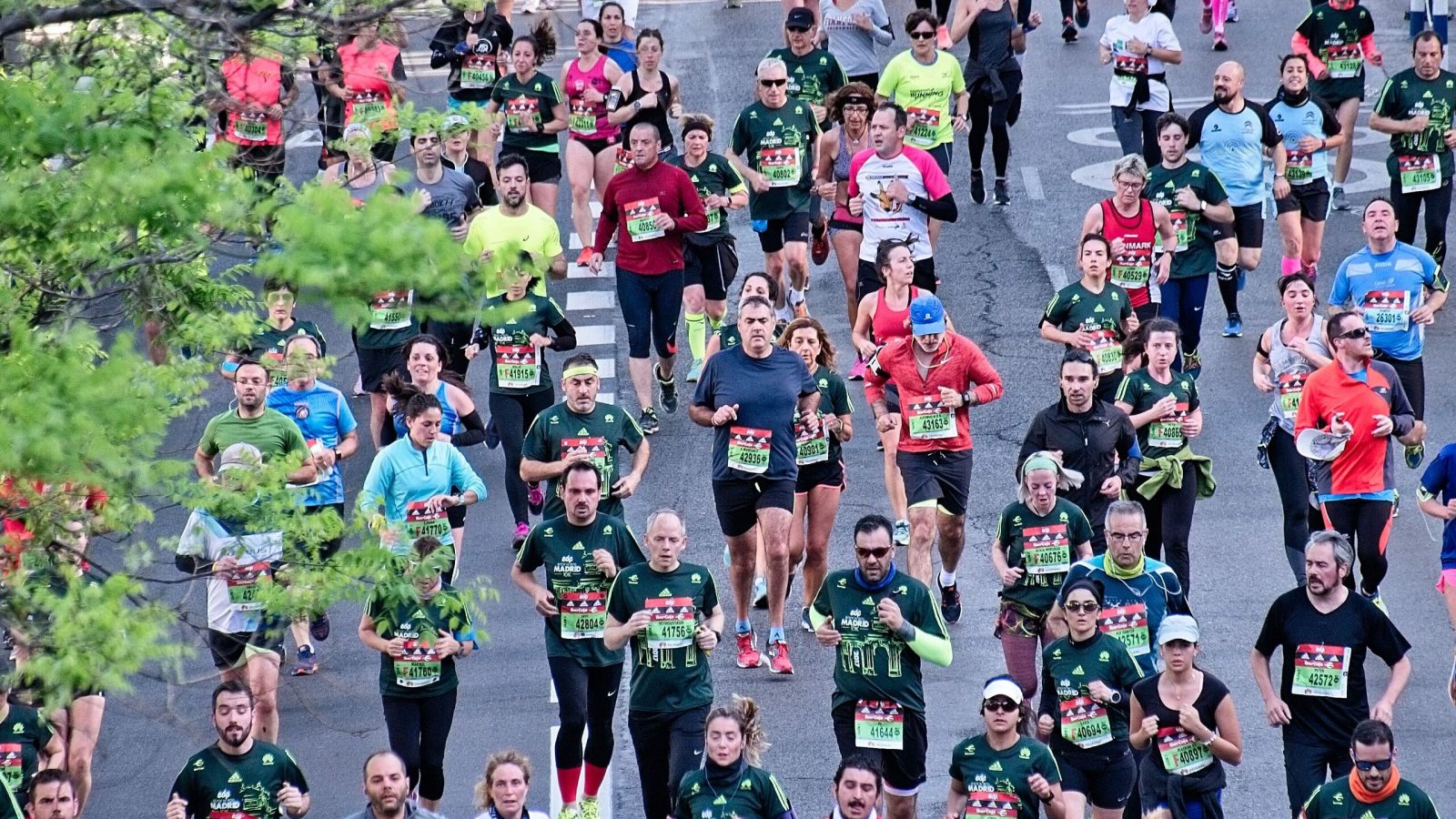
We all know the benefits of exercise. It’s good for our cardio and respiratory systems, can help maintain a healthy weight (or support weight loss) and prevent sarcopenia, or muscle wastage, as we age. But have you ever considered the effect that exercise has on your gut health?
I would love to be able to tell you to walk/jog/run for x minutes, x times a week for optimum gut health. Unfortunately it’s not as black and white as that. When it comes to exercise and gut health, the type of exercise, duration and intensity is key to whether the exercise that you’re doing could be helping your digestion, or potentially making it worse.
How can exercise affect gut health?
A number of studies have looked into this question, specifically looking at the effect of exercise on the gut microbiome. The microbiome is the collection of trillions of bacteria and other microbes that live in our colon where they help us to digest and absorb food, produce vitamins, and fight off infection. Without a robust, healthy microbiome, we can soon become unwell.
Recent studies show that exercise can increase the number of beneficial bacteria and enrich the overall diversity of microbes. One study looking at elite rugby players suggested that athletes have a greater gut microbial diversity compared to sedentary individuals. Interestingly, this effect can be seen regardless of diet. In other words exercise by itself has a positive influence on the gut microbiome.
How much do we need to do to enjoy these benefits?
I’m pleased to say that we don’t all have to train to an elite level to see the benefits of exercise! The American Gut Project showed that participants who took moderate exercise every day (having previously been sedentary), saw a large shift in the diversity of their microbiome, and a healthier overall picture.
When the individual species of bacteria were looked at, people who regularly exercised showed an increase in butyrate-producing bacteria. Butyrate is a short chain fatty acid that is an important source of fuel for the cells of the colon. It can help reduce inflammation in the gut and protect the integrity of the lining of the intestine. This helps to prevent a ‘leaky gut’. An increase in butyrate is associated with improved gut health.
Another change that was noted was in species of bacteria linked to obesity. In obesity, a gut microbiome with higher numbers of Firmicutes bacteria, and reduced Bacteroidetes is often seen. This picture has been linked to type 2 diabetes and dysregulated blood sugar control. By shifting the ratio of these bacteria through exercise, obesity-associated conditions may be reduced.
Does the type of exercise matter?
The answer to this is ‘very much so’, but not from a gut microbiome perspective. The length and intensity of training can have a significant effect on gut health, as a result of the increased stress on the body during endurance or high-intensity activities.
Strenuous exercise, as well as prolonged or endurance exercise has been linked to gastrointestinal symptoms such as heartburn or diarrhoea, as well as an increase in gut permeability. Otherwise known as a ‘leaky gut’ this allows food particles, pathogenic bacteria and toxins to pass from inside the gut into the blood stream, from where they can then reach other organs including the brain.
In contrast, exercise that reduces stress such as yoga, pilates or tai chi may have a positive effect on gut health. Additionally, low-intensity exercise – walking, gentle swimming, gardening – may help reduce the gut transit time (the length of time for food to pass through the digestive tract) supporting constipation, and lowering the amount of time that pathogens are in contact with the gut lining. In turn this could help lower the risk of gut conditions such as IBD and diverticulitis.
In conclusion…
So yes, exercise does impact gut health. It can have a positive influence on the overall composition and diversity of the gut microbiome, and support the integrity of the digestive tract. The key is choosing the right intensity and duration for you, and your body.
Clarke, S. et al. Exercise and associated dietary extremes impact on gut microbial diversity Gut. 2014
Estaki, M. et al. Cardiorespiratory fitness as a predictor of intestinal microbial diversity and distinct metagenomic functions Microbiome. 2016
Mach, N and Fuster-Botella, D. Endurance exercise and gut microbiota: A review Journal of Sport and Health Science, vol. 6 iss. 2. 2017
Monda, V. et al. Exercise Modifies the Gut Microbiota with Positive Health Effects Oxidative Medicine and Cellular Longevity. 2017
Peters, H. P. et al. Potential benefits and hazards of physical activity and exercise on the gastrointestinal tract Gut. 2001
 Vitamin D: a close up