
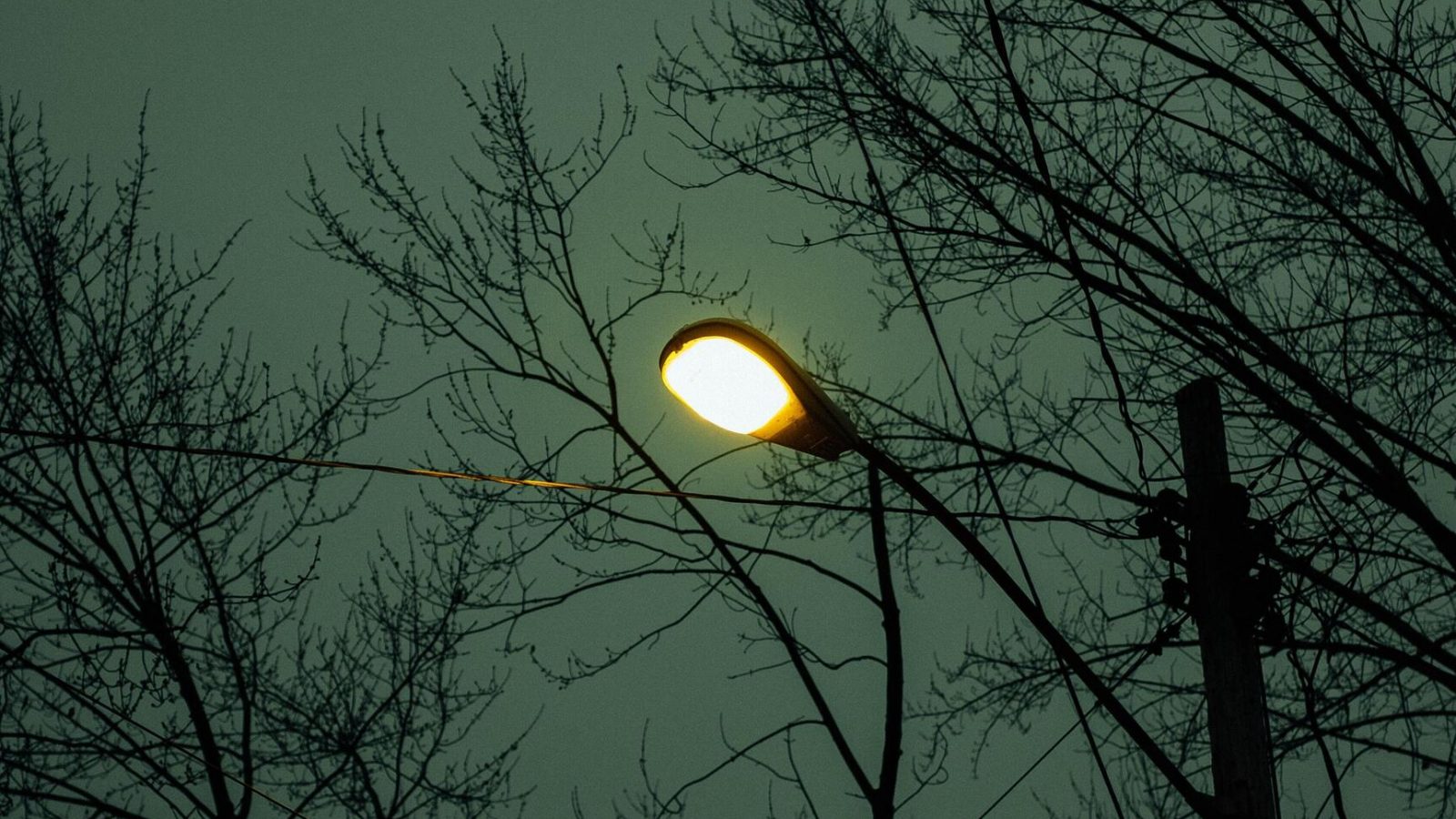
I don’t know about you, but I’ve found this year’s clock change particularly hard. I loved doing a day’s work and then going out in the late afternoon sun with my dogs for a dose of nature and some gentle exercise. But now it’s dark….
It’s not just my altered schedule that’s bothering me. It’s a well known fact that daily exposure to natural light – especially in the early morning – is crucial for good health. During the winter it’s easy to start work before sunrise and finish after sunset, with very little exposure to natural light in between. This lack of light for several weeks on end can cause serious problems for many people.
According to BUPA, about 20% of the UK population experience mild symptoms connected to the lack of sunlight during the winter. Occurring every autumn like clockwork, seasonal affective disorder (SAD) comes with a variety of symptoms, including low mood, listlessness, anxiety, an increased need for sleep and cravings for sweets and carbohydrates. Does it sound familiar?
What are the reasons for low mood in winter?
We do not fully understand the exact cause of SAD, but an imbalance of neurotransmitters may be involved. These are messenger substances in the brain that are needed for mental and physical performance, mood and sleep. They include melatonin – aka the sleep hormone – and serotonin among others. In particular, the lack of the serotonin due to low levels of light can trigger SAD in sensitive people. Serotonin is a neurotransmitter required to make you feel happy and content, for motivation and activity. Many common anti-depressants work by increasing serotonin levels in the brain.
While serotonin production requires light, the closely related neurotransmitter melatonin requires darkness. During the long nights of winter, more serotonin is converted into melatonin, further reducing the levels of our ‘happy’ neurotransmitter. Melatonin is needed for sleep, but too much of it may make you sleepy during the day; tiredness is a common symptom of SAD.
Vitamin D also plays a part
Low vitamin D levels also affect mood. This vitamin is the only one your body can produce, through the action of the sun on skin. However, the sun is only strong enough for vitamin D production when our shadow is shorter than us. In the UK this is between the months of April and September. As a result we make less vitamin D during the winter, another contributing factor to low mood at this time of year.
There are two forms of vitamin D – D2, ergocalciferol, found in plant foods such as mushrooms*; and D3, cholecalciferol, found in animal foods such as:
- oily fish (think SMASH – salmon, mackerel, anchovies, sardines, herring)
- high-quality cod liver oil
- egg yolks
- liver
*To enhance D2 levels, leave your mushrooms where they will get natural light rather than storing them in the fridge.
Research shows that D2 is less effective at raising levels of vitamin D in the blood. Unfortunately, foods that are fortified with vitamin D (like cereals, margarine and some yoghurts) also contain D2. This is usually a synthetic variant that is even harder for your body to absorb and use. It doesn’t cost much to get your vitamin D levels checked. If yours is low, you may struggle to raise it with food alone.
Optimise light, both inside and out
A promising way to counteract SAD is the use of a full-spectrum light source, either from a lightbox or light bulbs in the house. Studies show that it can improve symptoms. For this beneficial effect, it is necessary to spend between 30 and 60 minutes each day in front of a full-spectrum lightbox depending on how close you are to the light, or six hours with artificial full-spectrum lighting in the house.
If you are able to enjoy some winter sun, then remember that sunglasses won’t allow you to access full-spectrum light either. If you can, leave them off when you are out during the winter.
The link between food and mood
Diet, too, can help coping with SAD. One of the eight essential amino acids, tryptophan, is a precursor for serotonin. ‘Essential’ refers to those that our bodies are unable to make – we have to consume it in the foods we eat. Tryptophan is found in a variety of foods including:
- dairy products
- eggs
- red meat, poultry, fish
- chocolate
- oats
- dried dates
- chickpeas
- almonds, sunflower and pumpkin seeds
- bananas
- spirulina
- peanuts
Unfortunately, it is rather difficult for tryptophan to access the brain, but transport can be enhanced by combining tryptophan-rich foods with complex carbohydrates such as brown rice, brown pasta, wholegrain bread or oats. Have a look at my mood-boosting porridge recipe for a tryptophan-rich start to the day!
Make exercise part of your day
One of the best ways to combat SAD, however, is exercise, especially exercise outdoors. Studies have shown that spending one hour outside, even when it’s overcast, can help to alleviate symptoms of SAD. In addition, when your body feels better, so does the mind. It doesn’t really matter what you do as long as you are active.
If you don’t enjoy vigorous exercise, don’t worry. Try fitting in a 10-minute walk during your lunch break, getting off one bus stop early, walking to the shops instead of driving, taking the stairs instead of the escalators or lift. All of these count towards your day’s activity.
Ideally, get out into nature and combine exercise with some sunlight and ‘forest bathing’ for the ultimate mood-booster.
If, after reading this blog, you recognise some of the symptoms of SAD in the way you’re feeling at the moment then please reach out to your GP for further support.
 Mood-boosting porridge