
Did you know that our bodies give us a helping hand to break down the food we’re eating? While our teeth start the process physically when we chew, digestive enzymes are secreted, initially in our saliva and then from our pancreas to help with breaking the food down on a chemical level. By turning our food into tiny particles, the nutrients within it can be released and absorbed into our blood stream for use around the body. Quite simply, they help us get the very most out of the food that we are eating.
Key facts about digestive enzymes
The names of the digestive enzymes often give a clue as to their function. They frequently start by hinting at the substance they break down, and then all enzymes carry the same three final letters: -ase. So, who wants to guess what lactase, sucrase and protease might break down?! Top marks to anyone who said lactose, sucrose and protein!
There are three principal digestive enzymes that break down the three macronutrients – proteins, carbohydrates and fats. These are:
- protease – works on protein, initially breaking it down into simple peptides and then further to amino acids
- amylase – this first appears in your saliva, and starts the process of breaking down carbohydrates into simple sugars
- lipase – secreted in bile, lipase helps to break down fats
There are also digestive enzymes that work on the smaller particles. Lactase breaks down lactose that is contained in milk, while sucrase has an effect on sugars in our foods. People who are truly intolerant to dairy are so because they are unable to produce lactase. This means that they cannot break down and digest the lactose in dairy foods.
A little more about how digestive enzymes are produced
The first time your food comes into contact with digestive enzymes is in the mouth, with the release of saliva as you start to eat. Amylase within the saliva starts working on carbohydrates in the food immediately, preparing it for absorption further down the digestive tract. This is another reason why chewing is so important. As well as increasing the surface area available to the various enzymes, it mixes the food thoroughly with saliva so that the amylase can get to work before the mouthful is swallowed. Amylase stops working within the highly acidic environment of the stomach, so it’s crucial that it can do as much work as possible while the food is still in the mouth.
The other two main digestive enzymes, protease and lipase, are produced in the pancreas. As soon as our brain registers that we are eating something, it sends messages to the pancreas. This prompts their release as soon as the food has passed through the stomach and reached the small intestine. It is one reason why sitting down and eating mindfully can have such an impact on digestive health. If we eat on the go and in a rush then our body simply doesn’t have time to register that we are eating. The result is that the enzymes won’t be released in sufficient quantities to digest our food.
Signs that you may have reduced levels of digestive enzymes
Reduced levels of digestive enzymes can often result in digestive symptoms and IBS. Bloating, flatulence, diarrhoea and/or constipation may all be signs of insufficient digestive enzyme secretion. While a stool test can confirm levels, there are other signs that can give a clue. These include seeing undigested food in your stools, or ‘fatty’, pale stools, both of which indicate that you are not fully breaking down and digesting your meals.
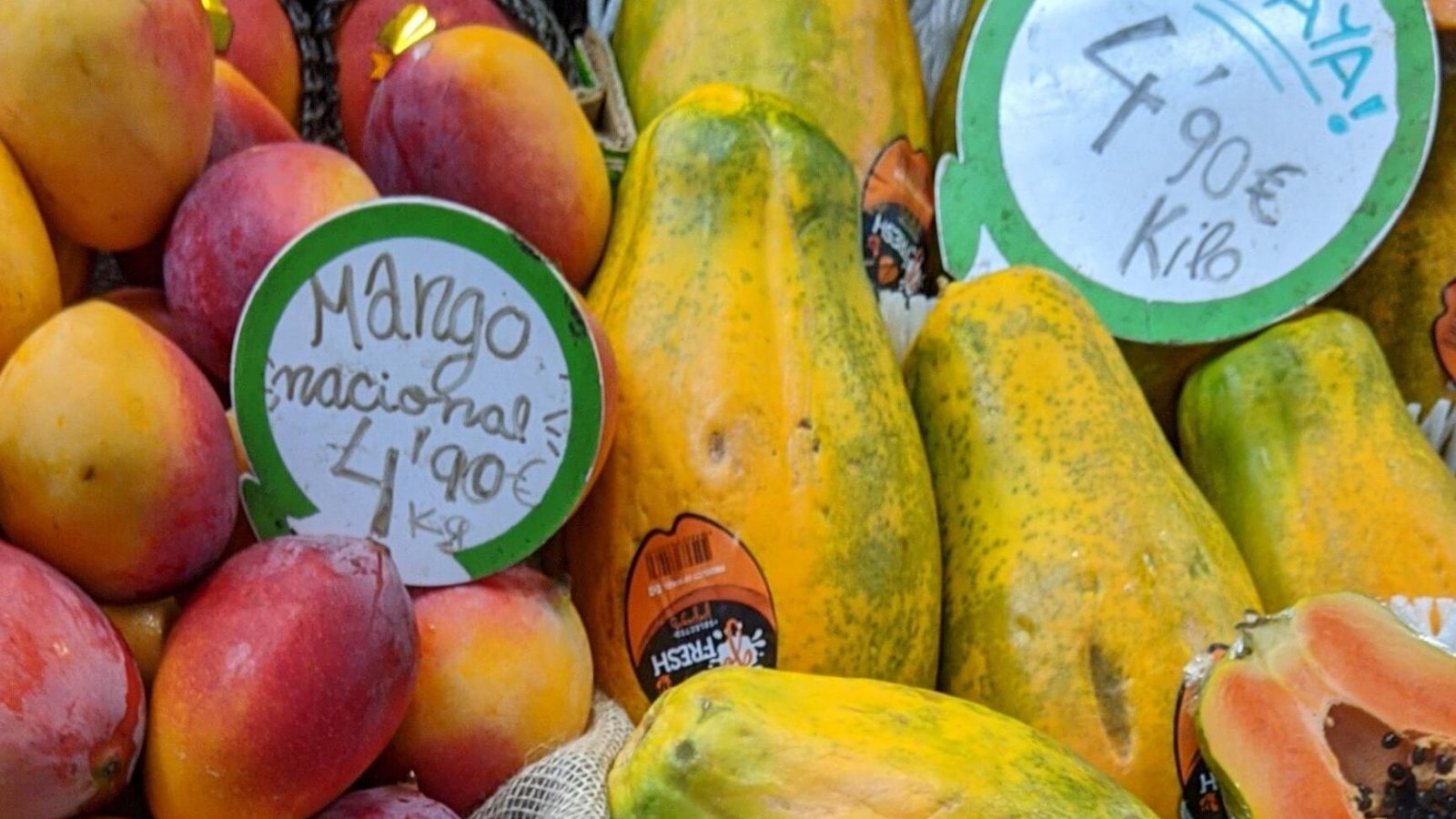
Fortunately, it is possible to supplement digestive enzymes, which can often have a positive effect on symptoms. Some foods also contain their own enzymes. Pineapple and papaya contain protease, while mango and banana contain amylase and avocadoes contain lipase. Following a heavy, protein-rich meal with a few slices of pineapple could be a good place to start!
If you suspect that you might have low digestive enzymes, and would like to find out more, then please feel free to book a free 30-minute health review and we can discuss it further.
 Should you eat organic?